Business finance plays a crucial role in the corporate landscape, impacting decisions, investments, and risk management. Let’s delve into the world of business finance to uncover key strategies for success.
In this comprehensive guide, we will explore various aspects of business finance, including types of financing, financial statements, budgeting, investment decisions, working capital management, risk management, tax planning, international finance, and ethical considerations.



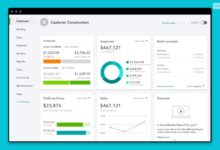


Overview of Business Finance
Business finance encompasses the management of financial resources within a business setting, focusing on decisions related to investments, financial planning, and risk management. It plays a crucial role in the corporate world by providing the necessary framework for making informed financial decisions that drive the success and growth of a business.
Importance of Business Finance
Business finance is essential for the sustainability and profitability of a company. It helps in assessing the financial health of the organization, determining the best investment opportunities, and managing risks effectively. Without proper financial management, businesses may struggle to achieve their goals and navigate through challenging economic conditions.
Role of Business Finance in Decision-Making
Business finance guides decision-making processes by providing insights into the financial implications of various choices. It helps in evaluating the costs and benefits of different options, determining the most profitable investments, and ensuring optimal allocation of resources. Ultimately, business finance empowers decision-makers to make strategic choices that align with the overall objectives of the company.
Key Elements of Business Finance
- Investments: Business finance involves analyzing investment opportunities, assessing risks, and determining the potential returns to make informed decisions on where to allocate financial resources.
- Financial Planning: It entails developing strategic financial plans, setting budgets, and forecasting future financial performance to achieve long-term goals and objectives.
- Risk Management: Business finance includes identifying potential risks, implementing risk mitigation strategies, and ensuring financial stability in the face of uncertainties to protect the business from adverse events.
Types of Business Financing
Businesses have various options when it comes to financing their operations and expansions. The most common sources of business financing include equity, debt, and internal funds. Each type of financing has its own advantages and considerations.
Short-Term Financing Options
Short-term financing is crucial for managing the day-to-day operations of a business. Two common short-term financing options are trade credit and bank loans.
- Trade Credit: This involves purchasing goods or services on credit from suppliers, allowing the business to acquire inventory or materials without immediate payment.
- Bank Loans: Businesses can obtain short-term loans from banks to cover operational expenses, inventory purchases, or other short-term needs. These loans typically have fixed repayment terms and interest rates.
Long-Term Financing Options
Long-term financing is essential for funding major investments or expansions. Some long-term financing options include bonds and venture capital.
- Bonds: Companies can issue bonds to raise capital from investors. Bonds are debt securities with fixed interest rates and maturity dates, providing a long-term source of funding for the issuing company.
- Venture Capital: Startups and high-growth companies may seek venture capital funding from investment firms or individual investors. Venture capital provides equity financing in exchange for a stake in the company, often supporting innovative and high-potential ventures.
Financial Statements and Analysis
Financial statements are essential documents that provide a snapshot of a company’s financial health. There are three main types of financial statements: the income statement, balance sheet, and cash flow statement. Each serves a specific purpose in helping stakeholders understand the financial position and performance of a business.
Purpose of Financial Statements
Financial statements serve as a means of communicating the financial performance and position of a company to various stakeholders, including investors, creditors, and management. The income statement shows the company’s revenue, expenses, and profit over a specific period. The balance sheet provides a snapshot of the company’s assets, liabilities, and equity at a particular point in time. Lastly, the cash flow statement details the cash inflows and outflows of the business, highlighting its liquidity and ability to meet financial obligations.
Importance of Financial Statement Analysis
Financial statement analysis is crucial for evaluating a company’s performance and making informed decisions. By analyzing financial statements, stakeholders can assess the company’s profitability, solvency, efficiency, and overall financial health. It helps identify trends, strengths, weaknesses, and areas for improvement, guiding strategic planning and investment decisions.
Financial Ratios in Analysis
Financial ratios are key tools used in financial analysis to assess a company’s performance and financial health. Some common financial ratios include:
- Liquidity Ratios: such as the current ratio and quick ratio, measure a company’s ability to meet short-term obligations with its current assets.
- Profitability Ratios: including return on equity (ROE) and gross margin, evaluate a company’s profitability and efficiency in generating profits.
- Debt Ratios: like the debt-to-equity ratio, indicate the company’s leverage and ability to repay its debts.
- Efficiency Ratios: such as inventory turnover and asset turnover, measure how effectively a company utilizes its assets to generate revenue.
Budgeting and Forecasting
Budgeting and forecasting are crucial components of business finance that help organizations effectively manage their financial resources and plan for the future.
Budgeting
Budgeting involves creating a detailed plan that outlines expected expenses and revenues for a specific period. It allows businesses to allocate resources efficiently, set financial goals, and monitor performance against targets. By establishing a budget, companies can control costs, identify areas for improvement, and make informed financial decisions.
- Establishing financial goals and priorities
- Monitoring cash flow and expenses
- Identifying opportunities for growth and investment
- Improving financial performance and profitability
“A budget is a powerful tool that helps businesses stay on track financially and achieve their objectives.”
Forecasting
Forecasting involves predicting future financial trends and outcomes based on historical data, market analysis, and other relevant factors. It helps businesses anticipate changes in the market, identify potential risks and opportunities, and plan for future growth and expansion. By forecasting financial needs and performance, organizations can make proactive decisions to adapt to changing circumstances and achieve long-term success.
- Predicting sales and revenue projections
- Anticipating expenses and cash flow requirements
- Identifying market trends and competitive landscape
- Planning for investments and capital expenditures
“Forecasting allows businesses to anticipate challenges and opportunities, enabling them to make strategic decisions and stay ahead of the competition.”
Investment Decisions
Investment decisions are crucial for businesses as they involve allocating resources to projects that are expected to generate returns in the future. This process requires careful evaluation and analysis to ensure the best use of funds.
Capital Budgeting and Investment Projects Evaluation
Capital budgeting is the process of determining which investment projects a company should undertake. Different methods are used to evaluate these projects, such as:
- Payback Period: This method calculates the time it takes for the initial investment to be recovered from the project’s cash flows. Shorter payback periods are generally preferred as they indicate quicker returns.
- Net Present Value (NPV): NPV calculates the present value of all cash inflows and outflows of a project. A positive NPV indicates that the project is expected to generate value for the business.
- Internal Rate of Return (IRR): IRR is the discount rate that makes the NPV of a project equal to zero. It helps in determining the project’s profitability and comparing it to the cost of capital.
The concept of risk-return tradeoff in investment decisions highlights the relationship between the level of risk associated with an investment and the potential return it can generate. Generally, higher returns are expected from investments with higher risk levels.
Working Capital Management
Working capital is the difference between a company’s current assets and current liabilities. It represents the funds available for the day-to-day operations of a business. Efficient working capital management is crucial for maintaining liquidity and operational efficiency in a company.
Strategies for Efficient Working Capital Management
- Monitor and manage inventory levels to prevent overstocking or stockouts, which can tie up funds unnecessarily or lead to lost sales.
- Negotiate favorable payment terms with suppliers to optimize cash flow and reduce the need for immediate cash outflows.
- Accelerate accounts receivable collections to shorten the cash conversion cycle and improve cash flow.
- Regularly review and optimize working capital ratios to ensure they are in line with industry benchmarks and company goals.
Impact of Working Capital on Financial Health
Working capital directly impacts a company’s financial health by affecting its ability to meet short-term obligations and invest in growth opportunities. A positive working capital position indicates that a company has enough current assets to cover its current liabilities, signaling financial stability. Conversely, a negative working capital position may indicate liquidity issues and inefficiencies in operations that could lead to financial distress.
Financial Risk Management
Financial risk management is a crucial aspect of business operations, as it involves identifying and mitigating potential risks that could impact the financial stability of a company. By understanding common financial risks, implementing hedging strategies, and establishing risk management policies, businesses can safeguard their finances and ensure long-term success.
Common Financial Risks Faced by Businesses
Businesses often face various financial risks that can threaten their profitability and sustainability. Some common types of financial risks include:
- Market Risk: The risk of financial loss due to changes in market conditions, such as fluctuations in interest rates, exchange rates, or commodity prices.
- Credit Risk: The risk of loss from a borrower failing to repay a loan or meet financial obligations.
Hedging Strategies to Mitigate Financial Risks
Implementing hedging strategies can help businesses mitigate financial risks and protect their bottom line. Some common hedging strategies include:
- Forward Contracts: Locking in future prices for commodities or currencies to protect against price fluctuations.
- Options: Buying the right to buy or sell a financial asset at a predetermined price, providing flexibility in volatile markets.
Importance of Risk Management Policies and Procedures
Establishing robust risk management policies and procedures is essential for safeguarding business finances and ensuring long-term success. These policies help businesses identify, assess, and mitigate financial risks effectively, protecting against potential losses and ensuring financial stability.
Tax Planning and Compliance
Tax planning plays a crucial role in optimizing business finances by strategically managing tax liabilities to maximize profits. By understanding the tax laws and regulations, businesses can make informed decisions to minimize tax burdens legally.
Tax Compliance Requirements
Tax compliance is essential for businesses to avoid penalties and legal issues. It involves accurately reporting income, deductions, and other financial information to the tax authorities. Failure to comply with tax laws can result in fines, audits, and even legal action.
- Businesses must file tax returns on time and accurately to meet compliance requirements.
- Keeping detailed records of financial transactions is crucial for demonstrating compliance with tax laws.
- Businesses should stay updated on changes in tax regulations to ensure ongoing compliance.
Minimizing Tax Liabilities
Minimizing tax liabilities while adhering to tax laws requires strategic tax planning and compliance measures. By utilizing available deductions, credits, and exemptions, businesses can reduce their tax burden effectively.
- Utilizing tax-efficient investment strategies can help reduce taxable income.
- Taking advantage of tax credits and deductions specific to the industry can lower overall tax liabilities.
- Implementing tax planning strategies throughout the year can optimize tax savings and compliance.
International Finance
International finance involves managing finances in a global context, which presents both challenges and opportunities for businesses. Understanding foreign exchange risk and strategies for hedging currency exposure are crucial aspects of international finance. Additionally, having knowledge of international financial markets is essential for businesses operating on a global scale.
Foreign Exchange Risk and Currency Exposure
Foreign exchange risk refers to the potential impact of fluctuations in currency exchange rates on a company’s financial performance. Businesses that engage in international trade are exposed to this risk, which can affect their profitability. To mitigate this risk, companies can employ various hedging strategies, such as forward contracts, options, and swaps, to protect against adverse movements in exchange rates. It is essential for businesses to closely monitor and manage their currency exposure to minimize the impact of foreign exchange risk on their operations.
Understanding International Financial Markets
Having a deep understanding of international financial markets is crucial for businesses operating globally. These markets include foreign exchange markets, capital markets, and commodity markets, among others. Businesses need to stay informed about global economic trends, geopolitical events, and regulatory changes that can impact these markets. By closely monitoring international financial markets, companies can make informed decisions regarding their investments, financing options, and risk management strategies. This knowledge allows businesses to adapt to changing market conditions and seize opportunities for growth and expansion.
Ethics in Business Finance
In the world of business finance, ethical considerations play a crucial role in decision-making processes. It is essential for financial professionals to uphold high ethical standards to maintain trust and integrity within the industry.
Impact of Unethical Practices
Unethical practices in business finance can have severe consequences on both the financial health and reputation of a company. For example, falsifying financial statements or engaging in insider trading can lead to legal repercussions, financial losses, and damage to the company’s reputation in the market.
Ethical Dilemmas in Financial Decision-Making
Financial professionals often face ethical dilemmas when making decisions that impact the company’s finances. For instance, conflicts of interest, such as choosing between maximizing profits for shareholders or considering the well-being of employees, can put professionals in challenging situations where they must navigate complex ethical considerations.
Ultimate Conclusion
As we conclude our exploration of business finance, it becomes evident that mastering financial strategies is vital for sustainable growth and success in the competitive business world. By understanding and implementing these principles, businesses can navigate challenges and seize opportunities effectively.

Storyteller and digital explorer covering the latest updates in business and lifestyle.