Looking to start a business with limited funds? Dive into the world of entrepreneurship with the best business ideas tailored for those with little money to invest. From online ventures to service-based businesses, this guide offers a comprehensive overview to help you kickstart your entrepreneurial journey.
Research and Analysis
Starting a business with little money requires thorough research and analysis to identify industries with low startup costs. By understanding the market and consumer needs, you can choose a business that requires minimal capital to start, increasing your chances of success.



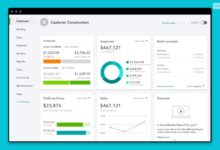


Identify industries with low startup costs
When looking for business opportunities with low startup costs, consider industries such as consulting, online retail, freelance services, or dropshipping. These sectors often require minimal investment in inventory, equipment, or physical storefronts, making them accessible to aspiring entrepreneurs with limited funds.
- Consulting: Providing specialized knowledge or services to clients can be a lucrative business with low overhead costs.
- Online retail: E-commerce platforms allow you to sell products without the need for a physical store, reducing startup expenses.
- Freelance services: Offering freelance services in areas like writing, graphic design, or programming requires minimal upfront investment.
- Dropshipping: Operating a dropshipping business involves selling products to customers without holding inventory, eliminating the need for storage space.
Importance of market research in choosing a business with low initial investment
Conducting thorough market research is essential when selecting a business with low initial investment. By analyzing market trends, competition, and consumer demands, you can identify niche opportunities and develop a unique value proposition that sets your business apart. Understanding your target audience and market dynamics enables you to make informed decisions and optimize your resources effectively to maximize profitability.
Online Business Opportunities
When it comes to starting a business online with little money, there are plenty of e-commerce opportunities to explore. Setting up an online store can be cost-effective, efficient, and has the potential for significant growth with the right strategies in place.
E-commerce Business Ideas
If you’re looking to start an online business on a budget, consider these e-commerce business ideas that require minimal investment:
- Selling handmade products: Tap into the growing market for unique, handcrafted items.
- Dropshipping: Partner with suppliers to sell their products without holding inventory.
- Print-on-demand: Create custom designs for products like t-shirts, mugs, and more without upfront costs.
- Affiliate marketing: Promote other companies’ products and earn a commission on sales.
Tips for Success
Creating a successful online store on a budget requires careful planning and execution. Here are some tips to help you achieve success:
- Choose the right niche: Focus on a specific market segment to stand out from competitors.
- Optimize your website: Ensure your online store is user-friendly, mobile-responsive, and optimized for search engines.
- Utilize social media: Leverage platforms like Instagram, Facebook, and Pinterest to reach a wider audience.
- Provide excellent customer service: Build trust and loyalty by offering prompt responses and resolving issues efficiently.
Advantages of Digital Businesses
Digital businesses offer several advantages in terms of cost-effectiveness compared to traditional brick-and-mortar stores. Some key benefits include:
- Lower overhead costs: Operating online eliminates the need for physical retail space, reducing expenses.
- Global reach: Reach customers worldwide without the limitations of a local storefront.
- Flexible working hours: Manage your online business on your own schedule, offering convenience and work-life balance.
- Data-driven decisions: Utilize analytics tools to track performance and make informed decisions for growth.
Service-Based Businesses
Starting a service-based business can be a great way to enter the entrepreneurial world with little initial investment. Here are some ideas for service-based businesses that do not require a large capital outlay:
List of Service-Based Business Ideas
- Virtual Assistant Services
- Social Media Management
- Tutoring or Coaching Services
- Event Planning
- Pet Sitting or Dog Walking
- Cleaning Services
Marketing service-based businesses with limited funds can be challenging, but there are cost-effective strategies that can be effective. Utilizing social media platforms, creating a strong online presence, networking with other businesses, and offering promotions or discounts can all help attract clients without breaking the bank.
Success Stories of Service Entrepreneurs
- Amy, a virtual assistant, started her business with just a laptop and a phone. By showcasing her skills on social media and networking with small business owners, she quickly built a client base and now has a thriving business.
- John began offering tutoring services in his community with just a few flyers and word-of-mouth marketing. As his reputation grew, he expanded his services online and now has a successful online tutoring business.
Freelancing and Consulting
Freelancing and consulting are excellent low-cost business options that offer flexibility and the opportunity to leverage your expertise in various industries. These types of businesses require minimal resources to start and can be highly profitable with the right approach.
Tips for Establishing a Freelance or Consulting Business
- Identify your niche: Determine your area of expertise and target market to effectively market your services.
- Create a strong online presence: Build a professional website and utilize social media platforms to showcase your skills and attract clients.
- Network strategically: Connect with potential clients, industry professionals, and other freelancers to expand your opportunities.
- Set competitive rates: Research industry standards and adjust your pricing strategy to remain competitive while ensuring profitability.
- Deliver exceptional service: Focus on providing high-quality work and excellent customer service to build a positive reputation and secure repeat business.
Benefits of Offering Freelance Services
- Flexibility: Freelancing allows you to work on your own terms, choosing projects and clients that align with your schedule and interests.
- Low overhead costs: Operating a freelance business typically requires minimal overhead expenses compared to traditional brick-and-mortar businesses.
- Opportunity for growth: As you build your client base and reputation, you can expand your services, increase rates, and take on more challenging projects.
- Diverse client base: Freelancers have the opportunity to work with clients from various industries, gaining valuable experience and expanding their professional network.
- Work-life balance: Freelancing offers the flexibility to balance work commitments with personal life, allowing for greater control over your schedule and priorities.
Home-Based Business Ideas
Starting a home-based business can be a great way to pursue your entrepreneurial dreams with minimal investment. With the rise of remote work and online opportunities, there are plenty of options available for aspiring business owners to start and grow a successful venture from the comfort of their own home.
When setting up a home-based business, it’s essential to create a dedicated workspace that is free from distractions and conducive to productivity. This could be a spare room, a corner of your living room, or even a cozy nook in your bedroom. Establishing a routine and setting boundaries between work and personal life are crucial for maintaining a healthy work-life balance.
One of the key advantages of running a business from home is the cost savings associated with it. You can save on expenses such as rent, utilities, and commuting costs, which can significantly impact your bottom line. Additionally, you have the flexibility to set your own schedule and work at times that are most convenient for you.
eCommerce Business
With the growing popularity of online shopping, starting an eCommerce business from home has become a lucrative opportunity. You can sell products through platforms like Shopify, Etsy, or Amazon, without the need for a physical storefront. This allows you to reach a global audience and operate your business from anywhere.
Virtual Assistant Services
Offering virtual assistant services to busy professionals and entrepreneurs can be a profitable home-based business idea. You can assist with tasks such as email management, scheduling appointments, and social media management, providing valuable support to clients while working remotely.
Online Coaching or Consulting
If you have expertise in a particular field, consider offering online coaching or consulting services from home. Whether you’re a fitness trainer, business consultant, or career coach, you can provide personalized services to clients through video calls, webinars, or online courses.
Freelance Writing or Graphic Design
Freelance writing and graphic design are in-demand skills that can be monetized from home. You can pitch your services to businesses, websites, or publications in need of content creation or design work. With the flexibility to work on projects that interest you, freelancing can be a rewarding home-based business option.
Creative Business Ventures
Starting a creative business can be an exciting venture that allows you to showcase your artistic talents while also potentially making a profit. Here, we will explore creative business ideas that require minimal investment and have the potential for success in industries with low startup costs.
Artistic and Craft-Based Businesses
Artistic and craft-based businesses are great options for those looking to start a creative venture with little money. These businesses often involve creating handmade products that appeal to a niche market. Examples of artistic and craft-based businesses that can be started on a budget include:
- Handmade jewelry making
- Customized art prints and paintings
- Handcrafted home decor items
- Personalized gift items
These businesses can be started from home or at local craft fairs, requiring minimal investment in materials and tools.
Potential for Success in Creative Industries
While creative industries are competitive, there is still ample opportunity for success with low startup costs. By focusing on unique and high-quality products, leveraging social media for marketing, and targeting a specific niche audience, creative businesses can thrive. With the growing demand for handmade and personalized products, there is a market for creative ventures that offer something different from mass-produced goods. By tapping into this demand and staying innovative, creative entrepreneurs can build a successful business without breaking the bank.
Social Media and Influencer Marketing
In today’s digital age, social media has become a powerful tool for starting a business with little money. Leveraging social media platforms can help you reach a wide audience, build brand awareness, and drive sales without the need for a large marketing budget. Additionally, influencer marketing has emerged as a cost-effective way to promote businesses with limited resources.
Leveraging Social Media Platforms
One of the first steps in utilizing social media for your business is to identify the platforms where your target audience is most active. Whether it’s Instagram, Facebook, Twitter, or LinkedIn, choosing the right platform can help you connect with potential customers.
- Create a compelling profile: Optimize your social media profiles with a clear description of your business, logo, and contact information.
- Consistent content strategy: Develop a content calendar to ensure regular posts that engage your audience and showcase your products or services.
- Engage with followers: Respond to comments, messages, and reviews to build relationships with your audience and foster loyalty.
- Utilize hashtags: Use relevant hashtags to increase the visibility of your posts and reach a wider audience.
The Role of Influencer Marketing
Influencer marketing involves partnering with individuals who have a significant following on social media to promote your products or services. This strategy can be particularly effective for businesses with limited resources, as influencers can help you reach a larger audience and build credibility.
- Identify relevant influencers: Look for influencers whose values align with your brand and whose followers match your target audience.
- Build authentic relationships: Approach influencers with a genuine interest in collaborating and offer value in exchange for promoting your business.
- Track performance: Monitor the success of your influencer campaigns by tracking metrics such as engagement, reach, and conversions to assess the impact on your business.
- Micro-influencers: Consider working with micro-influencers who have a smaller but highly engaged audience, as they can be more affordable and effective for niche markets.
Strategic Partnerships and Networking
Forming strategic partnerships and effective networking are crucial aspects for starting a business with minimal investment. By collaborating with other businesses and individuals, you can reduce startup costs, access valuable resources, and expand your reach in the market.
Importance of Strategic Partnerships
Strategic partnerships allow you to leverage the strengths of other businesses to complement your own weaknesses. By pooling resources, sharing expertise, and dividing responsibilities, you can achieve more together than you could on your own. This can lead to cost savings, faster growth, and increased credibility in the eyes of customers.
- Identify businesses or individuals whose skills or resources complement your own.
- Establish clear goals and expectations for the partnership.
- Create mutually beneficial agreements that outline each party’s roles and responsibilities.
- Regularly communicate and collaborate to ensure the success of the partnership.
Effective Networking for Cost Savings
Networking is a powerful tool for finding cost-saving opportunities and valuable connections. By attending industry events, joining professional organizations, and reaching out to potential partners, you can uncover discounts, negotiate better deals, and access insider knowledge that can benefit your business.
- Attend networking events and conferences related to your industry.
- Utilize online platforms like LinkedIn to connect with potential partners and industry experts.
- Offer your expertise or resources to others in exchange for cost-saving opportunities.
- Build and maintain relationships with key contacts to establish a strong network of support.
Benefits of Collaborating with Other Businesses
Collaborating with other businesses can offer numerous benefits, including shared costs, access to new markets, and increased credibility. By aligning your brand with established partners, you can tap into their customer base, receive endorsements, and enhance your reputation in the industry.
- Explore co-marketing opportunities to reach a wider audience with minimal investment.
- Share expenses for marketing campaigns, product development, or operational costs.
- Benefit from the expertise and resources of your partners to accelerate business growth.
- Enhance your competitive edge by combining forces with complementary businesses.
Scaling and Growth Strategies
Starting a business with little money is just the first step. To truly succeed, you need to focus on scaling and growth strategies that will take your business to the next level. Here are some key insights and tips to help you navigate this crucial phase of your entrepreneurial journey.
Reinvesting Profits for Growth
One of the most effective ways to fuel the growth of a low-cost business is to reinvest your profits back into the company. Instead of pocketing all your earnings, consider putting a portion of it back into the business to fund expansion, marketing efforts, or product development.
- Identify areas of your business that have the potential for growth and invest strategically in those areas.
- Set clear financial goals and allocate a percentage of your profits towards achieving these goals.
- Be mindful of your spending and prioritize investments that will have a direct impact on the growth and sustainability of your business.
- Consider seeking guidance from financial advisors or business mentors to help you make informed decisions about reinvesting profits.
Innovative Expansion Strategies
Expanding a low-cost business requires thinking outside the box and finding innovative ways to reach new markets or customers. Here are some strategies to consider:
- Explore partnerships with other businesses to tap into new customer bases or distribution channels.
- Invest in technology or automation to streamline processes and increase efficiency.
- Consider franchising or licensing your business model to expand geographically without high upfront costs.
- Focus on developing new products or services that complement your existing offerings and appeal to a broader audience.
Final Review
In conclusion, starting a business with little money is not only possible but also filled with opportunities for success. By leveraging the right strategies and exploring diverse options, aspiring entrepreneurs can turn their dreams into reality without breaking the bank.

Storyteller and digital explorer covering the latest updates in business and lifestyle.